Interstitial Lung diseases,Silicosis
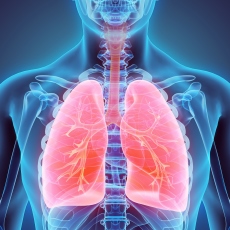
Interstitial Lung Diseases (ILDs) refer to a diverse group of lung disorders that involve the inflammation and scarring of lung tissue, affecting the interstitium, the tissue and space around the air sacs of the lungs. These conditions can lead to serious complications, including difficulty breathing and decreased oxygen intake. Silicosis, a specific type of ILD, is caused by long-term exposure to respirable crystalline silica dust, commonly encountered in industries such as mining, construction, and manufacturing.
What is Interstitial Lung Disease (ILD)?
ILD is a broad term used to describe a variety of conditions that cause inflammation and scarring (fibrosis) of the lung tissue. This scarring stiffens the lungs, making it difficult for the lungs to expand and contract, ultimately impairing the ability to exchange oxygen with the blood. Symptoms of ILD include:
- Shortness of breath, especially with physical exertion
- Chronic dry cough
- Fatigue
- Unexplained weight loss
- Chest discomfort
ILD can be caused by various factors, including environmental exposures, autoimmune diseases, medications, and genetic predisposition. One of the most common and preventable causes of ILD is exposure to harmful dust particles, particularly silica dust, which can lead to silicosis.
What is Silicosis?
Silicosis is a type of ILD caused by the inhalation of fine particles of silica, a mineral commonly found in sand, rock, and minerals like quartz. Silicosis is often associated with occupations that involve prolonged exposure to silica dust, including:
- Mining (especially coal mining)
- Construction (cutting, grinding, or drilling materials containing silica)
- Sandblasting
- Quarrying
- Glass manufacturing
- Ceramic production
When silica dust is inhaled, it can cause inflammation in the lungs, leading to scarring and the formation of fibrosis. Over time, this damage reduces lung function and can lead to severe respiratory issues.