Sleep disorders (snoring/OSA)
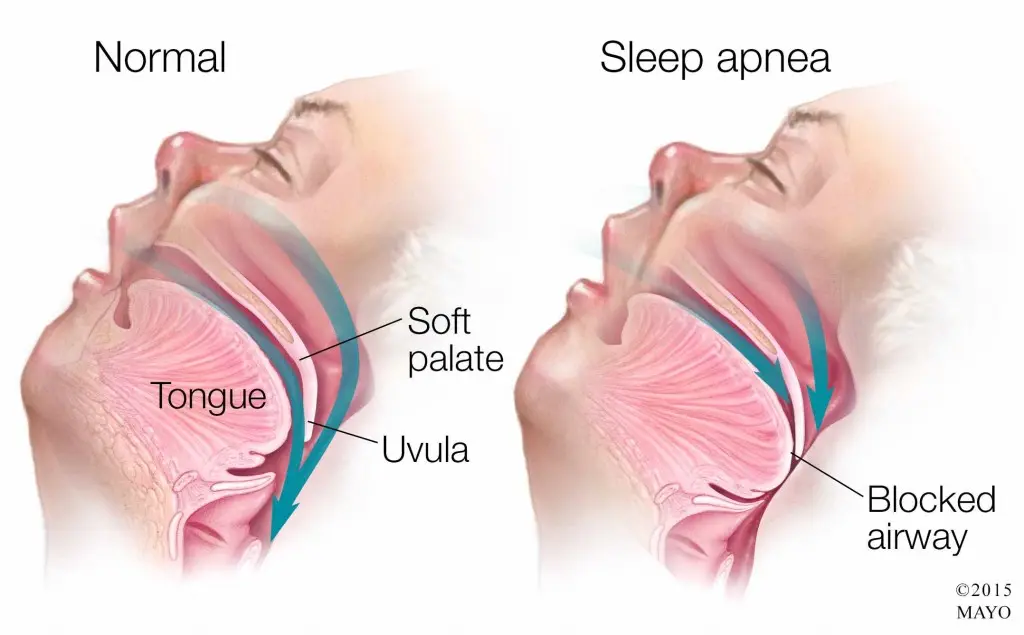
Sleep is essential for our health and well-being, but many individuals struggle with sleep disorders that affect the quality of their rest. Among the most common sleep issues are snoring and obstructive sleep apnea (OSA). These conditions can impact not only the person experiencing them but also their partners and loved ones. In this article, we'll explore what these sleep disorders are, their symptoms, causes, and available treatments.
What is Snoring?
Snoring occurs when air flows past relaxed tissues in the throat, causing them to vibrate and create the sound we recognize as snoring. It is a very common occurrence and affects millions of people, especially as they age. While occasional snoring is typically harmless, frequent snoring can be a sign of a more serious condition, such as obstructive sleep apnea (OSA).
What is Obstructive Sleep Apnea (OSA)?
Obstructive sleep apnea (OSA) is a potentially serious sleep disorder that occurs when the muscles at the back of the throat relax excessively, causing a temporary blockage of the upper airway. This blockage leads to frequent pauses in breathing during sleep, often lasting for several seconds or even minutes. As a result, the brain and body are temporarily deprived of oxygen, which can significantly affect the quality of sleep.
There are three types of sleep apnea:
- Obstructive Sleep Apnea (OSA): The most common type, caused by a physical blockage in the upper airway.
- Central Sleep Apnea: Occurs when the brain does not send proper signals to the muscles that control breathing.
- Complex Sleep Apnea: A combination of both obstructive and central sleep apnea.
Symptoms of Snoring and OSA
While snoring can be a standalone condition, it is important to recognize when it may be a symptom of obstructive sleep apnea. Common signs of snoring and OSA include:
- Loud and frequent snoring
- Pauses in breathing during sleep, often noticed by a partner
- Gasping or choking during sleep
- Excessive daytime sleepiness or fatigue
- Difficulty concentrating or memory problems
- Dry mouth or sore throat upon waking
- Morning headaches
- Irritability or mood changes