Respiratory failure
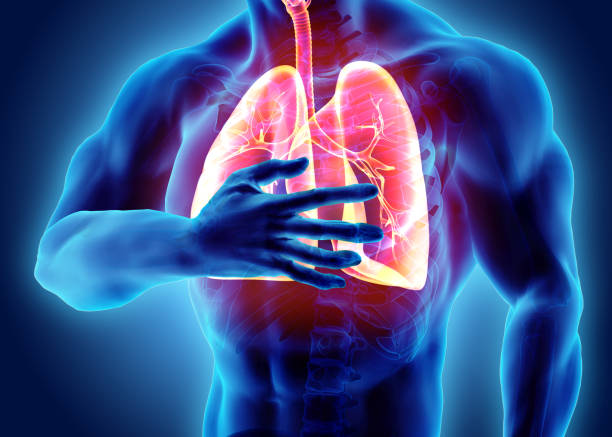
Respiratory failure is a serious medical condition that occurs when the lungs are unable to supply enough oxygen to the blood or remove enough carbon dioxide from the body. This can lead to a life-threatening situation, requiring immediate medical intervention. In this article, we’ll explore the causes, symptoms, diagnosis, and treatment options for respiratory failure.
What is Respiratory Failure?
Respiratory failure occurs when the respiratory system fails to maintain adequate levels of oxygen in the blood (hypoxemia) or remove sufficient carbon dioxide (hypercapnia). When this happens, the body’s organs and tissues may not receive enough oxygen to function properly, leading to severe complications if not treated promptly.
Respiratory failure can be classified into two main types:
- Type 1 (Hypoxemic Respiratory Failure): Characterized by low oxygen levels in the blood, often caused by conditions such as pneumonia, acute respiratory distress syndrome (ARDS), or pulmonary edema.
- Type 2 (Hypercapnic Respiratory Failure): Occurs when there is a buildup of carbon dioxide in the blood, often caused by chronic obstructive pulmonary disease (COPD), asthma, or drug overdose.
Both types of respiratory failure can result in a critical lack of oxygen for vital organs, requiring urgent treatment.
Causes of Respiratory Failure
Respiratory failure can be caused by various conditions that affect the lungs, airways, muscles, or the nervous system. Some common causes include:
- Chronic Lung Diseases:
- Chronic Obstructive Pulmonary Disease (COPD): A progressive lung disease that can obstruct airflow and reduce oxygen intake.
- Emphysema: A form of COPD where the air sacs of the lungs are damaged, reducing the lungs' ability to absorb oxygen.
- Acute Lung Conditions:
- Pneumonia: Infection in the lungs that causes inflammation and reduces oxygen intake.
- Acute Respiratory Distress Syndrome (ARDS): A severe condition caused by widespread inflammation in the lungs, leading to impaired oxygen exchange.
- Pulmonary Edema: Accumulation of fluid in the lungs, often due to heart failure, preventing efficient gas exchange.
- Neurological and Muscular Disorders:
- Amyotrophic Lateral Sclerosis (ALS): A neurodegenerative disease that weakens the muscles, including those used for breathing.
- Guillain-Barré Syndrome: A condition in which the body’s immune system attacks the peripheral nervous system, affecting breathing.
- Myasthenia Gravis: A neuromuscular disease that causes weakness in the muscles responsible for breathing.