Shortness of breath,chronic cough,COPD
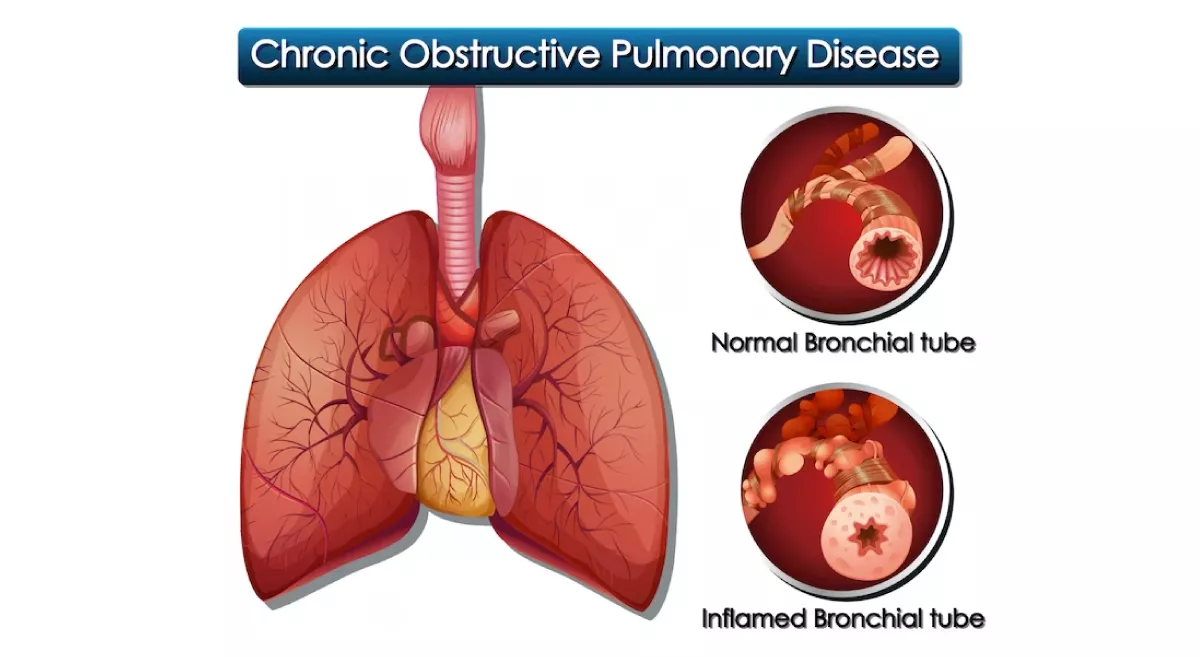
Breathing is something many of us take for granted, but when issues like shortness of breath and chronic cough arise, it can significantly affect quality of life. Chronic Obstructive Pulmonary Disease (COPD) is one of the most common and serious conditions that causes these symptoms. This article provides a comprehensive overview of what shortness of breath, chronic cough, and COPD are, their causes, symptoms, diagnosis, and treatment options.
What is Shortness of Breath?
Shortness of breath, also known as dyspnea, is a feeling of not being able to get enough air into the lungs. It can range from mild breathlessness after physical activity to severe breathlessness even at rest. Shortness of breath can be caused by a variety of conditions, and it’s a common symptom in respiratory diseases such as asthma, pneumonia, heart conditions, and COPD.
Common causes of shortness of breath include:
- Respiratory conditions like asthma or bronchitis
- Cardiac conditions such as heart failure
- Allergies or infections
- Physical exertion or overexertion
- Anxiety or panic attacks
If shortness of breath occurs frequently or suddenly without explanation, it's important to seek medical advice, as it could indicate a more serious underlying condition.
What is Chronic Cough?
A chronic cough is defined as a cough that persists for 8 weeks or longer. It can be dry or productive (with mucus) and may be associated with other symptoms like shortness of breath, wheezing, or chest tightness. Chronic cough can result from a variety of causes, including infections, smoking, asthma, and chronic conditions like COPD or gastroesophageal reflux disease (GERD).
Common causes of chronic cough include:
- Smoking (a leading cause of chronic cough, often associated with COPD)
- Allergies or postnasal drip
- Infections such as pneumonia or tuberculosis
- Chronic conditions like asthma or COPD
- Exposure to irritants like dust or pollutants
If a cough lasts for more than 8 weeks, it's important to consult a healthcare professional for proper diagnosis and treatment.