Skin prick test
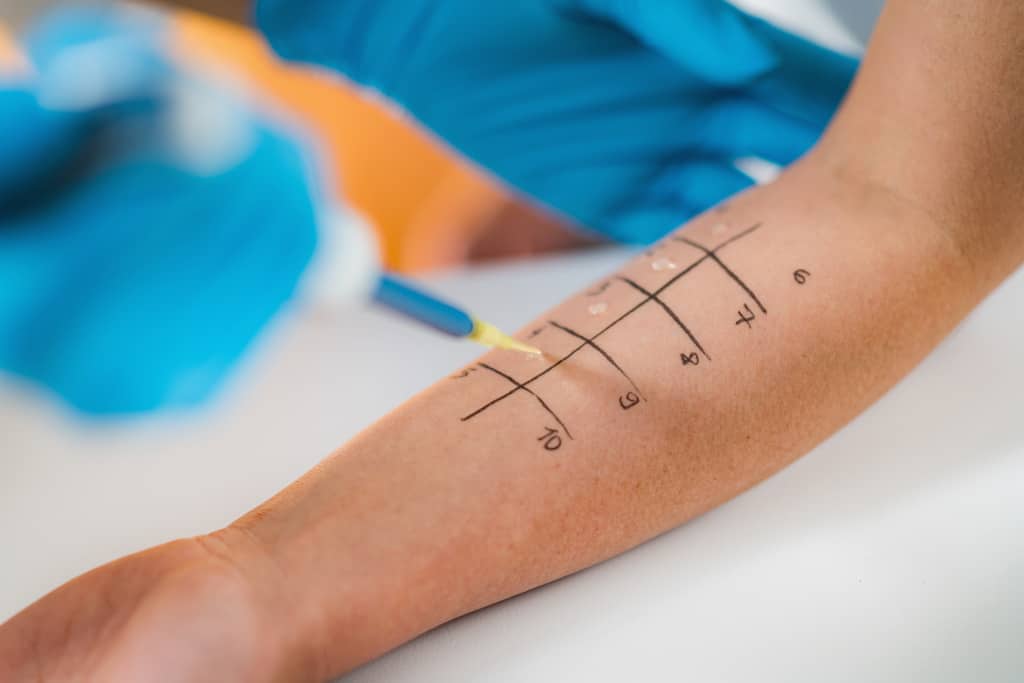
Allergic reactions can range from mild irritations to life-threatening conditions, and identifying the specific allergens triggering these reactions is crucial for effective treatment. The Skin Prick Test is one of the most common and reliable methods used to diagnose allergies. It helps healthcare providers identify specific substances that may be causing allergic reactions and enables them to tailor treatment plans accordingly.
What is a Skin Prick Test?
The Skin Prick Test (SPT), also known as a skin test, is a diagnostic procedure used to detect allergic reactions to various substances, such as pollen, dust mites, pet dander, mold, or certain foods. The test is quick, minimally invasive, and provides immediate results, making it a popular choice for diagnosing allergies.
How Does the Skin Prick Test Work?
During the Skin Prick Test, small amounts of allergens are applied to the skin using a tiny needle or lancet. The test is typically performed on the forearm or the back. The procedure involves the following steps:
- Preparation: The skin is cleaned, and small drops of different allergens are placed on the surface.
- Pricking the Skin: A small needle or lancet is used to gently prick the skin under the allergen drops. This allows the allergen to enter just beneath the surface of the skin.
- Observation: After about 15-20 minutes, the skin is observed for any signs of an allergic reaction. If the person is allergic to a specific substance, a small raised bump (like a mosquito bite) will appear at the site of the prick.
The size of the bump can help determine the severity of the allergic reaction. Larger bumps indicate stronger allergic reactions, while smaller bumps may indicate a mild allergy.