Sleep study
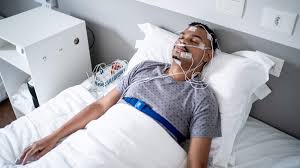
Getting a good night’s rest is essential for overall health and well-being, yet millions of people struggle with sleep disorders. From snoring and sleep apnea to insomnia and restless leg syndrome, these conditions can significantly impact your quality of life. A Sleep Study, also known as Polysomnography, is a comprehensive test that helps diagnose various sleep disorders, ensuring you get the right treatment for a better night’s sleep.
What is a Sleep Study?
A Sleep Study is a non-invasive procedure that monitors various body functions during sleep to diagnose sleep disorders. It is typically conducted overnight in a sleep center or sleep clinic, where sensors are placed on your body to monitor your brain activity, heart rate, breathing, oxygen levels, and muscle movements while you sleep.
There are two main types of sleep studies:
- Polysomnography (PSG): This is the most common and detailed sleep study. It records multiple bodily functions during sleep, including brain waves, eye movements, heart rate, respiratory effort, airflow, and blood oxygen levels.
- Home Sleep Apnea Test (HSAT): A simplified version of the sleep study that you can do at home to diagnose sleep apnea. It typically monitors your breathing patterns and oxygen levels but does not provide as much detailed information as polysomnography.
Why is a Sleep Study Important?
Sleep disorders can lead to numerous health problems, such as fatigue, depression, heart disease, and diabetes. A Sleep Study is important because it
- Diagnoses sleep disorders: Conditions like sleep apnea, insomnia, narcolepsy, and restless leg syndrome can be identified through a sleep study.
- Improves quality of life: Proper diagnosis and treatment of sleep disorders can enhance energy levels, mood, and overall health.
- Helps prevent long-term health issues: Untreated sleep disorders, such as sleep apnea, can lead to high blood pressure, heart disease, stroke, and even early death.