Lung cancer
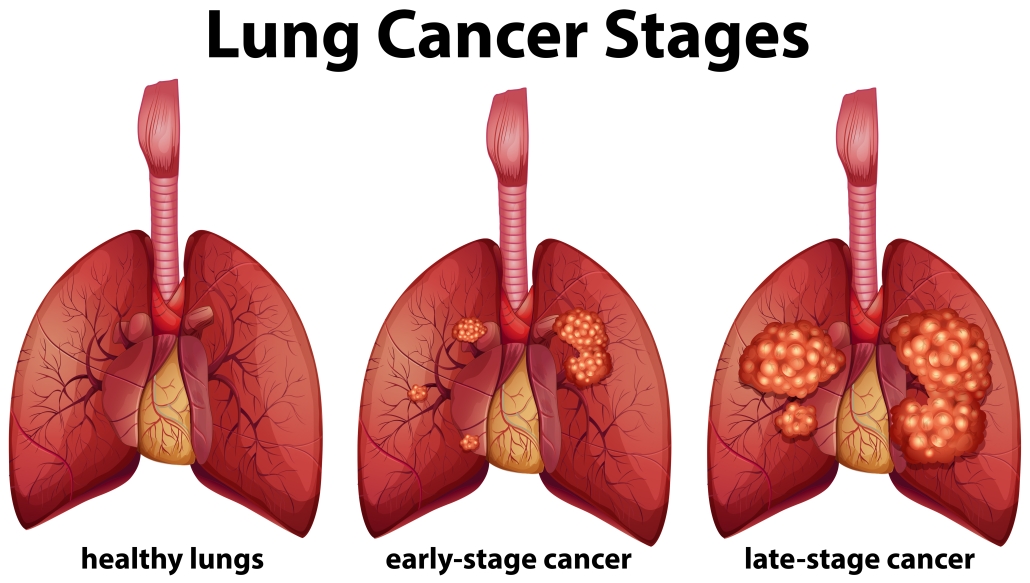
Lung cancer is one of the most common and deadly cancers globally, affecting millions of individuals every year. It occurs when abnormal cells in the lungs begin to grow uncontrollably, forming tumors that can interfere with normal lung function. Lung cancer typically develops in the cells lining the airways of the lungs.
Types of Lung Cancer
Lung cancer is primarily categorized into two main types:
- Non-Small Cell Lung Cancer (NSCLC):
- Adenocarcinoma: The most common form of lung cancer in non-smokers.
- Squamous Cell Carcinoma: Often linked to smoking, it begins in the cells lining the airways.
- Large Cell Carcinoma: A less common and more aggressive form.
- Small Cell Lung Cancer (SCLC):
NSCLC accounts for approximately 85% of all lung cancer cases. It generally grows and spreads more slowly compared to small cell lung cancer. NSCLC is divided into three subtypes:
SCLC is less common but is known to grow and spread quickly. It often develops in the larger airways of the lungs and is strongly associated with smoking. SCLC is usually diagnosed at an advanced stage.
Causes and Risk Factors
The primary cause of lung cancer is smoking, responsible for around 85% of cases. However, lung cancer can also develop in non-smokers due to factors such as:
- Secondhand smoke: Exposure to smoke from other people’s cigarettes can increase the risk of lung cancer.
- Air Pollution: Pollutants such as fine particles in the air can contribute to lung cancer development.
- Radon Gas Exposure: Radon is a naturally occurring radioactive gas that can accumulate in homes and is a leading cause of lung cancer among non-smokers.
- Asbestos: Exposure to asbestos in the workplace is a known risk factor for lung cancer.
- Genetics and Family History: Inherited genetic mutations can increase the likelihood of developing lung cancer, even in individuals without significant exposure to environmental risks.